Applications
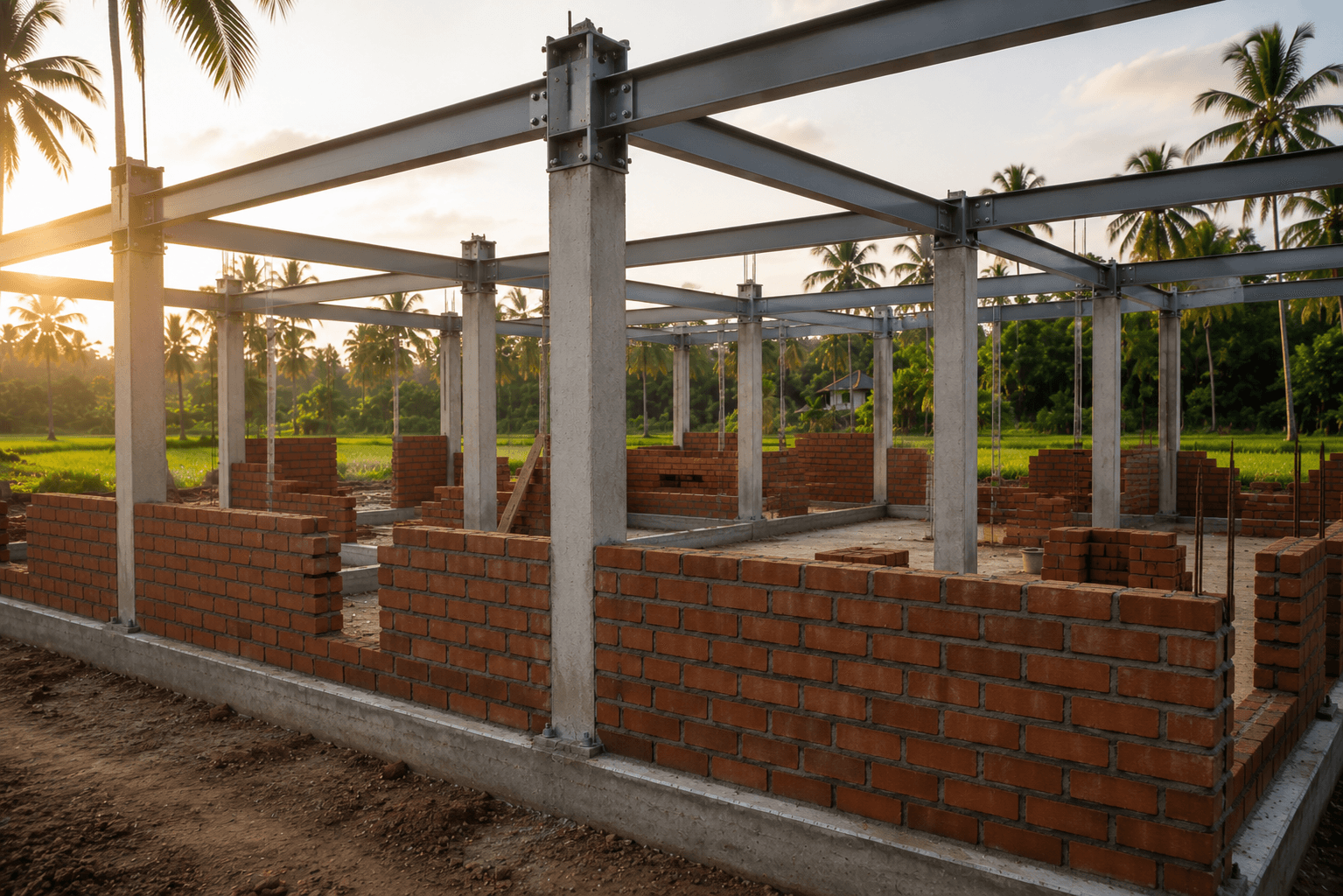
Low-span industrial
Repeated column grids and schedule-sensitive delivery make suitable sheds and light industrial structures a strong application for a pre-engineered foundation system.
One precast node. Four engineered nails. Ready to build.
PEN Foundation, the Pre-Engineered Nail Foundation System, is a patented, biomimetic foundation inspired by the way tree roots distribute load through soil. A high-strength precast node sits at ground level and transfers structural loads through four inclined steel nails driven into the surrounding soil. The system is designed for the project’s soil, structural loads and layout, then installed without excavation, formwork or on-site foundation curing.
- 01
Zero excavation
Soil layers, drainage paths and terrain are preserved.
- 02
Installed within hours
No on-site foundation curing cycle at the end of the sequence.
- 03
Immediate load readiness
Ready for approved superstructure connection after installation and quality checks.
- 04
Less concrete and water
Substantially lower concrete and water use than conventional RCC footings.
- 05
Qualified by evidence
Soil- and load-qualified design supported by testing, simulation and field deployment.
Four steps from project enquiry to structure
PEN is specified for the project, not sold as an unqualified off-the-shelf footing. The layout, number of points and installation configuration follow from the ground and the structure.
- 01
Assess
We review the project location, structural system, column reactions, site access and available soil information. Where required, soil suitability is established through appropriate field or geotechnical inputs.
- 02
Engineer
Our engineers develop the foundation layout and configuration for the approved project loads and qualified soil conditions. Point count, position, nail geometry and embedment are selected as part of the design process.
- 03
Install
The precast nodes are positioned, the engineered nails are driven into the soil and the system is completed in accordance with the approved installation method. There is no excavation, formwork or on-site foundation curing cycle.
- 04
Build
Once installation and quality checks are completed, the superstructure can connect to the node and construction can continue without the conventional foundation waiting period.
Questions about industrial sheds
Why use PEN for sheds and light industrial buildings?
Repeated column grids and schedule-sensitive delivery make suitable sheds and light industrial structures a strong application for a pre-engineered foundation system.
What loads can it carry, and how is that verified?
Capacity is established per project from plate load testing on your site, not quoted as a fixed number. For reference, field testing by NABL-accredited MatterLab in Wayanad recorded a peak load of 667 kN/m². Design follows IS 2911 Part 4 with a Factor of Safety of 2.5 on a single plate load test, or 2.0 where two or more tests are run.
What code governs the design?
IS 2911 Part 4, the Indian standard for nail and pile systems — not IS 6403, which covers shallow footings. Minimum embedment is 900 mm per that code. Components reference IS 1239 for the GI pipe and IS 5624 for the bolts. A dedicated BIS standard for the system is under development.
How long does installation take?
Around two hours per foundation point, and the point is load-bearing the moment the last nail is driven and grouted. There is no curing period, so structural work can begin the same day.
What soil conditions is it suitable for?
The system has been tested and modelled across red laterite, black cotton, sandy, rocky and waterlogged high-water-table conditions, and a PLAXIS 3D parametric study covers multiple soil types. Suitability is still decided per site — rocky ground, for example, may need a pilot bore. Your soil data is the first thing our engineers ask for.
Other applications
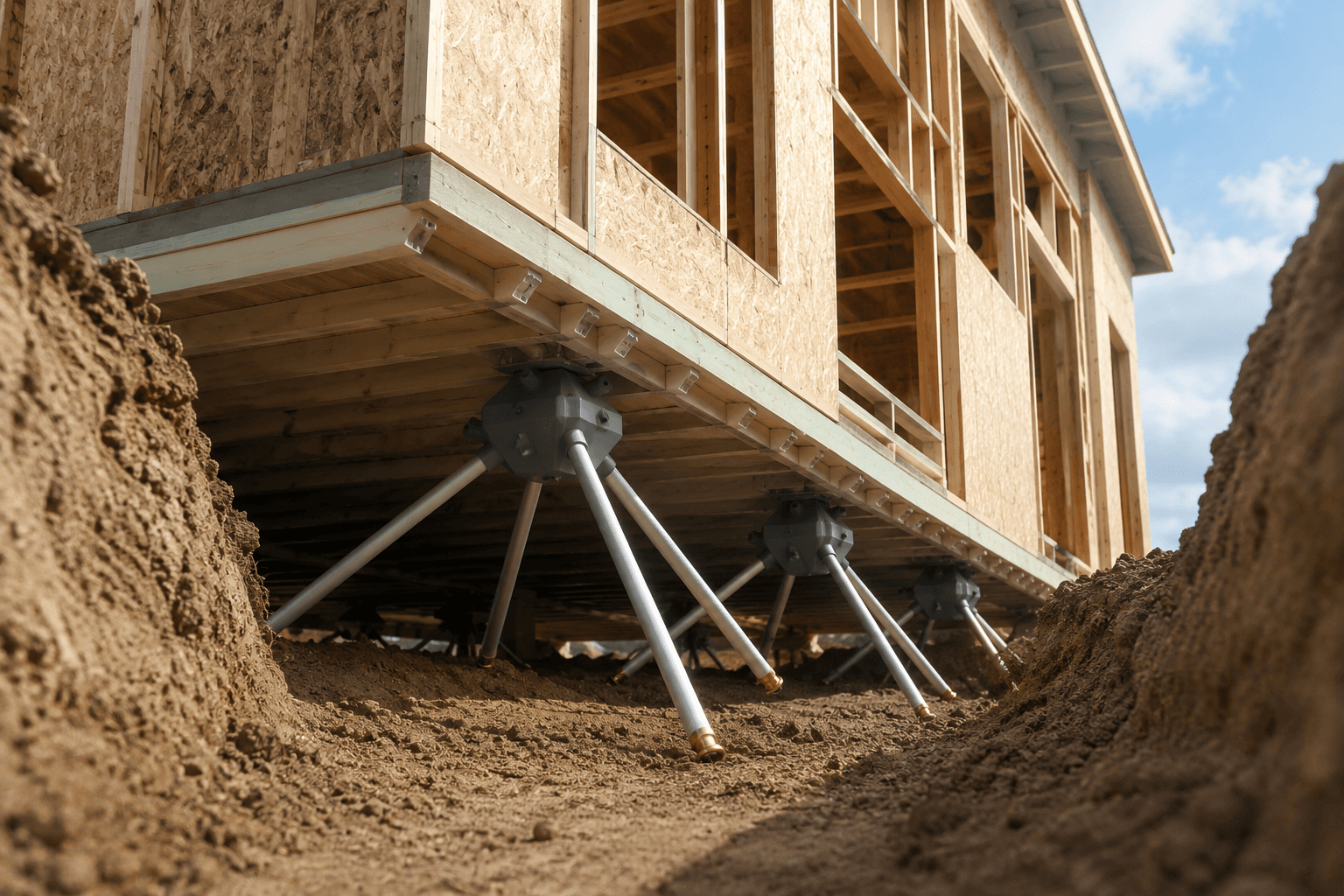
Residential
A hassle-free foundation sequence with fewer wet-work dependencies, less site congestion and installation that follows the approved plan without a month-long footing cycle.
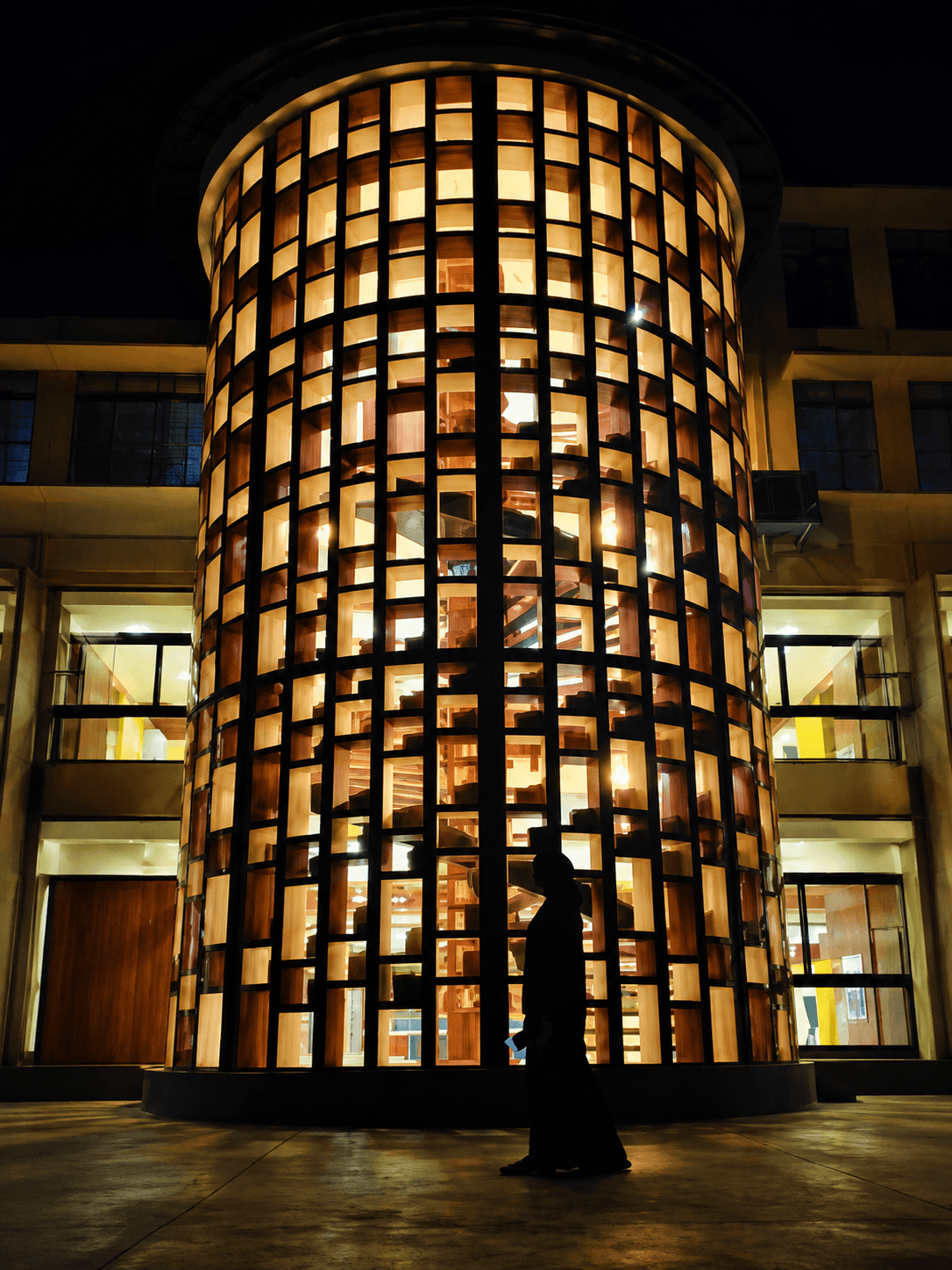
Commercial
Faster foundation completion can bring the structure and the revenue-generating asset forward, while keeping the site cleaner and reducing programme uncertainty.
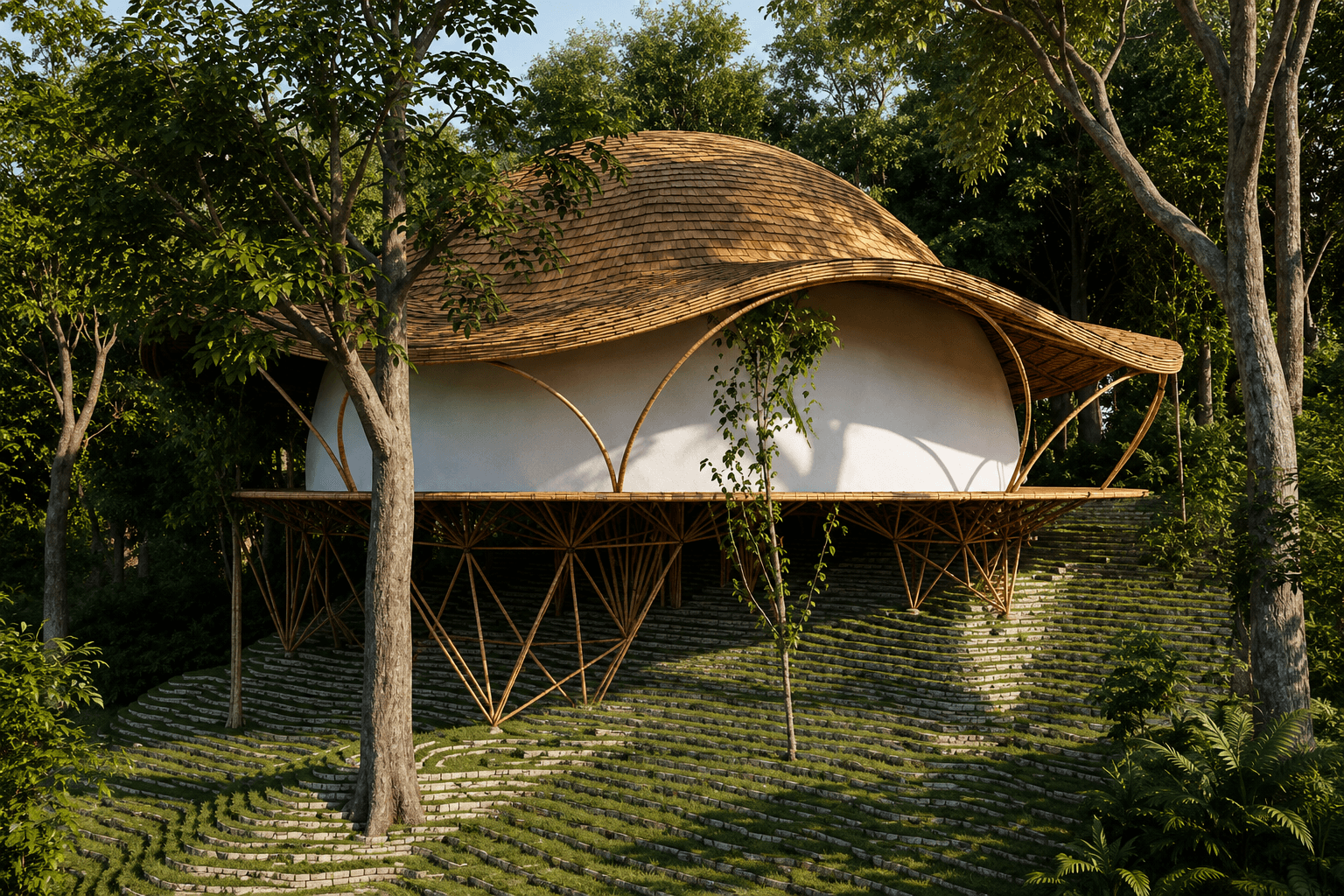
Eco-resorts and farmstays
Zero excavation helps preserve tree roots, soil structure, slopes and the natural character guests come to experience. Earlier project completion can also bring operations and revenue forward.
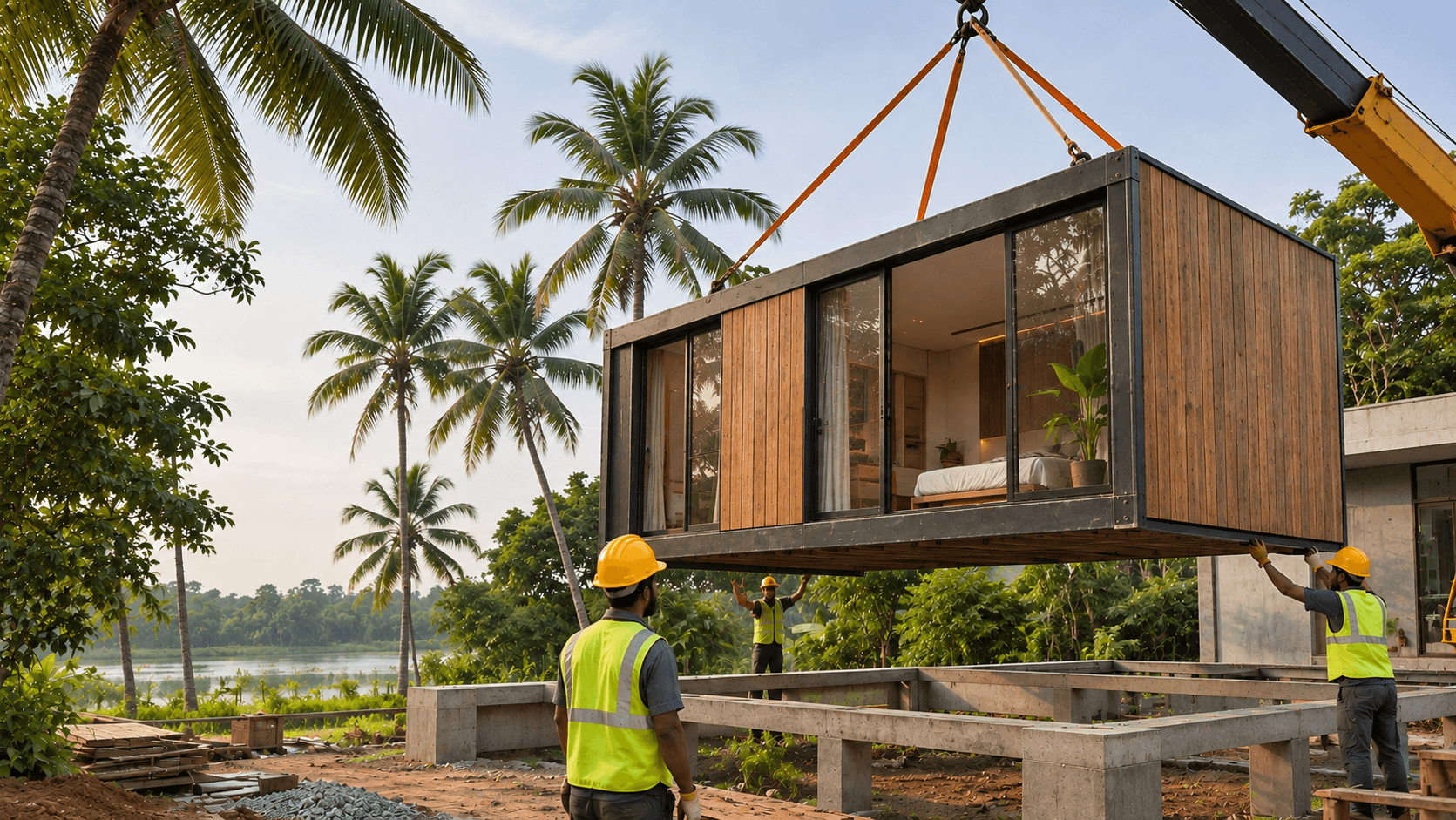
Modular and prefab
A foundation process aligned with factory-made structures: fast, repeatable, precise and capable of supporting relocatable design strategies where engineered accordingly.
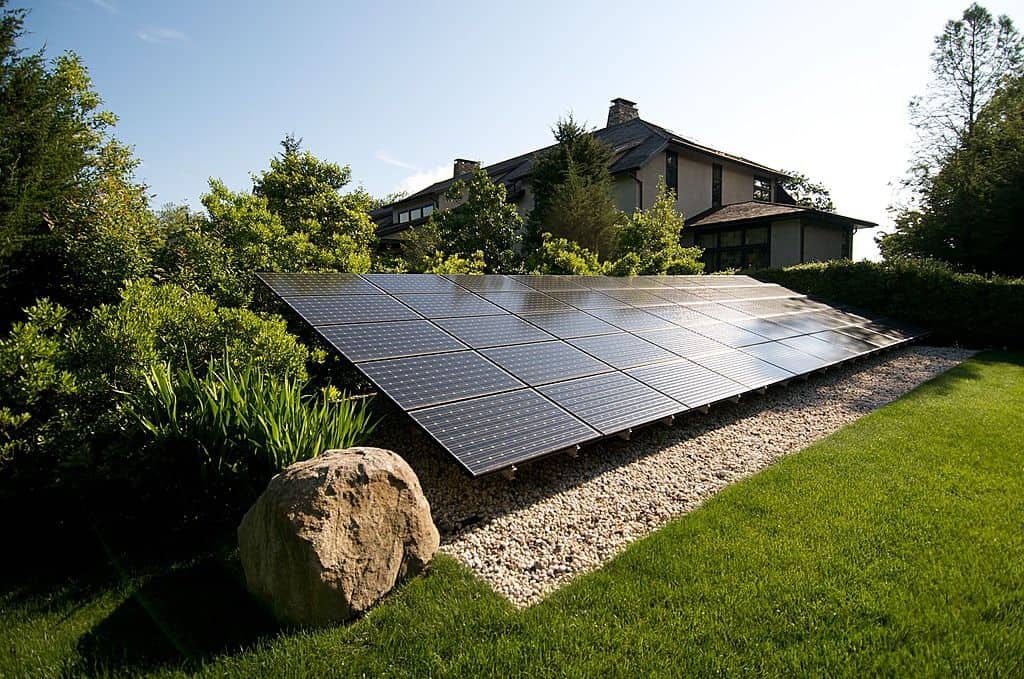
Ground-mounted solar
An application under development, focused on faster repetitive installation and reduced concrete, water, spoil and site disturbance. Published as a development pathway until the solar-specific product and economics are fully validated.